Creative Portfolio — Case 02
Mad
Catz
A $150,000 platform could not render a brand. I shipped one anyway.

The
Problem
Mad Catz owned five brands: Mad Catz, Cyborg, Saitek, Tritton, and Eclipse. All five sold through one storefront.
The company had spent six figures on NetSuite. In 2012 the platform served a locked master template: no custom CSS, no dynamic pages. Every brand it rendered looked like a generic marketplace listing. Product name, description, MSRP, repeated down the page.
Management had already rejected the internal team’s direction. I was brought in from outside with an open brief.
The CEO’s reference points were Red Bull and Beats. Neither is a hardware company that advertises. He wanted a company that sold a culture, where the hardware was how you bought in. A better storefront would not do that.
The direction in place when I arrived. Not my work.


The
Work
I redesigned the full e-commerce experience and built a content system on top of it. NetSuite would not render a custom front end, so my developers reverse-engineered how it called product data and pulled that data into a front end I designed. I managed four developers through the build.
The harder problem was organizational. Sales reps, animators, packaging designers, web designers, and product designers were not talking to each other. Five groups, one brand, no shared output. So I built one place all five could publish into.
- All · Gaming · Pro Gaming · Music · Sports. The content categories — Music and Sports on a peripherals site, built before the company had anything to put in them.
- Pro-Files. Athlete profiles, filtered by Teams, Fighting, Esports, and Action Sports. The company was already paying for these sponsorships and had nowhere to show them.
- Mad Catz TV + Twitch. Video and live streaming, integrated in 2013.
- The Feed. Most Popular, Top Stories, The Latest.
The live site, archived 3 March 2013 by the Internet Archive.


The
Reach
Gaming hardware in 2012 was shot one way. Product alone, white sweep, hard light. Those photos sell a spec sheet. They do not tell a buyer who the product is for.
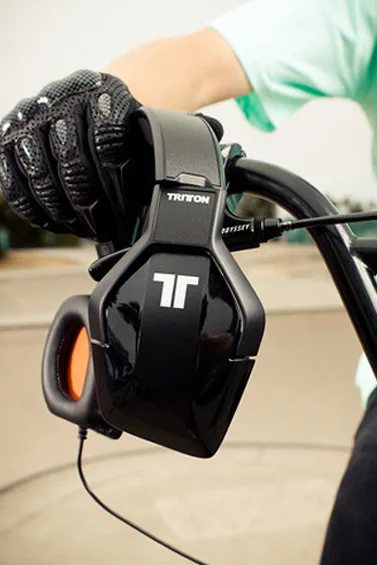
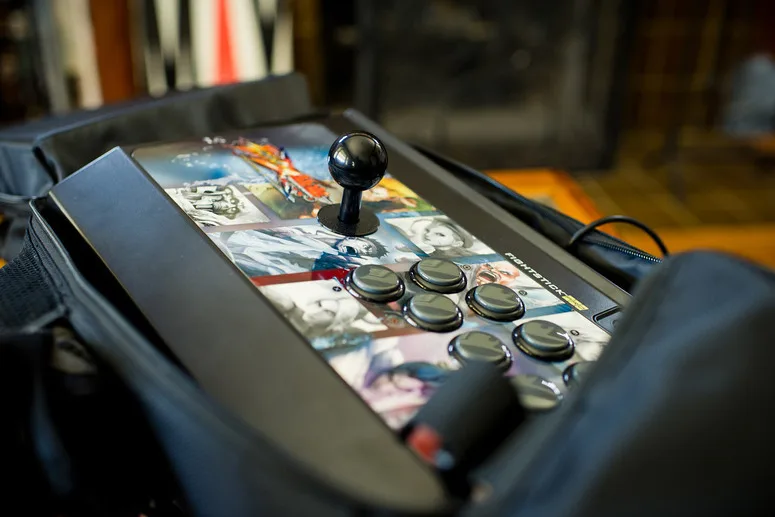
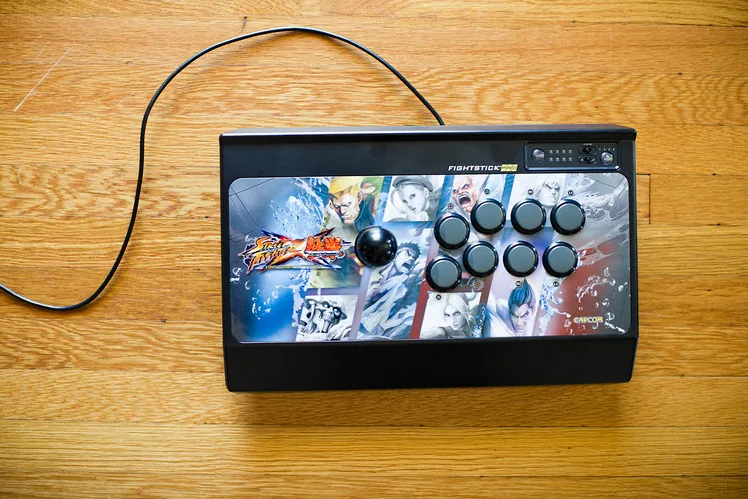
I proposed lifestyle photography as the brand’s visual language. The idea was untested, so I funded a proof shoot myself instead of asking for budget. One day, one BMX rider, our gear in real use. I presented the frames. The CEO approved the direction and expanded the scope.
Those frames ran across four channels: homepage, print, retail displays, and trade-show booths. I wrote the campaign line. I also directed a UK animation studio on product launch films that ran on the homepage, and when the apparel line needed a store NetSuite could not build, I called Shopify direct, negotiated an account, and launched in a weekend.
Fight Loud Anywhere. Tritton Detonator, 2012. Photography direction and copy by me. The photographer later licensed these images commercially.


39
pages of editorial
11
pages of athlete profiles
Staff writers published into it on a schedule, with bylines, for years after launch. The system did not need me to keep running.
Because I built the platform, the company generated the demand to fill it. The CEO assigned people across departments to produce: sponsored players, CES and convention coverage, events. A hardware company started behaving like a media company.
Page counts visible in the archived March 2013 capture. Count them yourself.

06 · The System
Most of that system was people who had not worked together before.
A redesign happens once. What I left behind kept working: a content platform five departments published into, a photo library reused across every channel, and a second storefront that did not exist before the weekend I built it.
The redesign was the visible part. Getting sales, product, packaging, animation, and web to build one thing together was the harder part, and it is why the rest lasted.
I set the brand direction, then built the working system underneath it.

The 2013 homepage, live. The system I left behind, still running.

Real gear,
real use.
More frames from the same day. Apparel, product detail, portrait. None of these ran in the campaign, and all of them hold the same visual language.
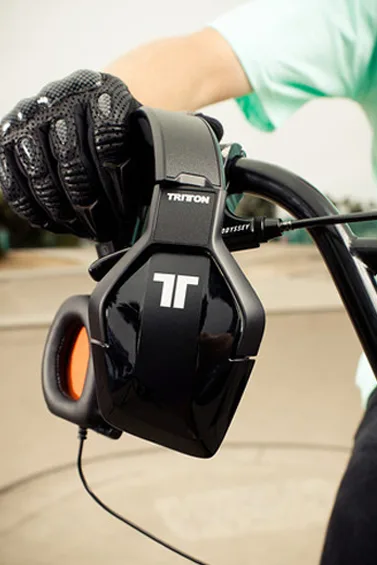
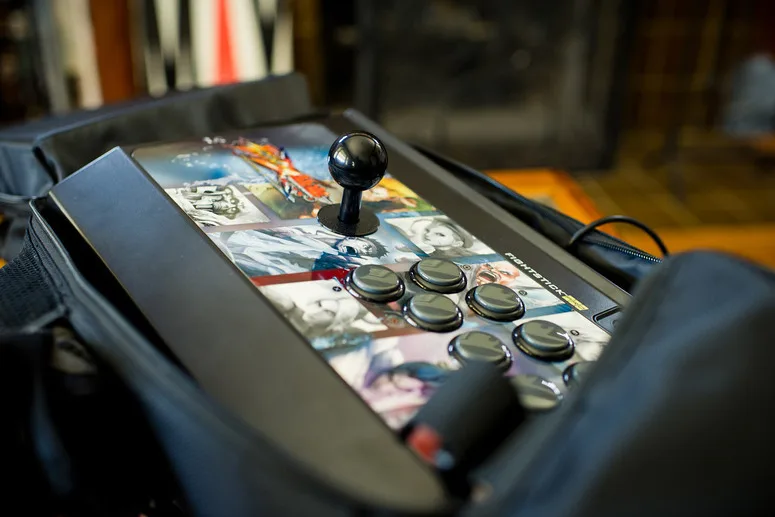
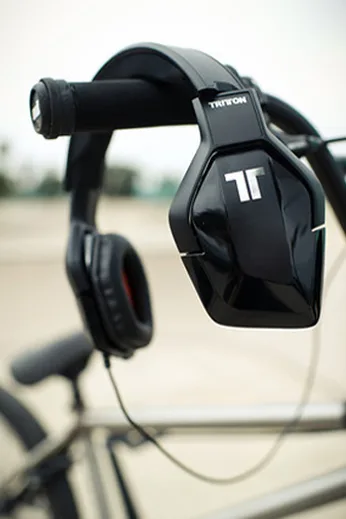

Photography direction by me. Mad Catz and Tritton, 2012.
Scope
Creative direction · art direction · copy · web design · content system · a team of four developers, a photographer, a model, and a UK animation studio